


When Should an Oximeter Reading Prompt Medical Attention?
An oximeter reading can provide important information about blood oxygen saturation and may help identify changes that require further evaluation. Understanding when an unusual reading should be reviewed by a healthcare professional can help support timely medical decisions. At Mullally Sports & Family Medicine in Crown Point, IN, our team evaluates oximeter readings along with symptoms, medical history, and overall health. We focus on providing personalized guidance to help patients better understand their oxygen level concerns. For more information, please contact us or schedule an appointment online. We are conveniently located at 11275 Delaware Pkwy Suite A, Crown Point, IN 46307.
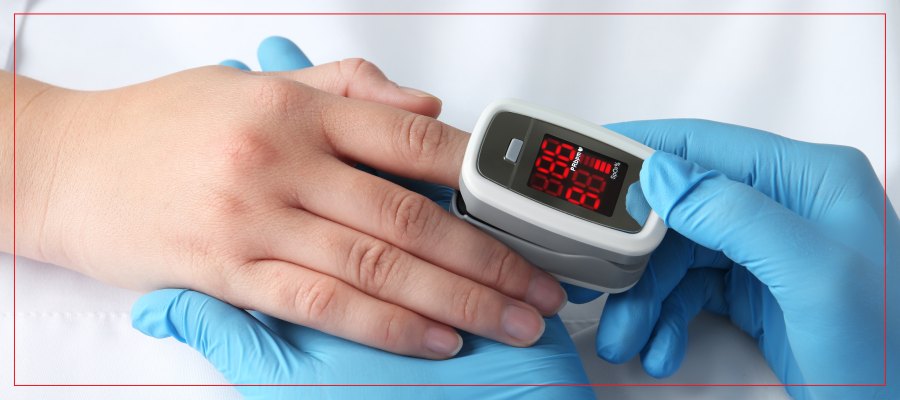
Table of Contents:
What factors should be considered when interpreting an oximeter reading?
What symptoms alongside an unusual oximeter reading may require medical evaluation?
When should an unexpected oximeter reading be checked again?
Why can oximeter readings vary from one measurement to another?
How does a physician evaluate consistently low or changing oxygen saturation readings?
How can Dr. Timothy Mullally, DO, and the team evaluate concerns about oximeter readings in Crown Point, IN?
An oximeter reading provides an estimate of blood oxygen saturation, which can help physicians understand how well oxygen is being carried throughout the body. However, a single reading should always be considered along with symptoms, medical history, overall health, and other clinical findings.
Factors that may influence how an oximeter reading is interpreted include:
• The patient’s current symptoms and overall condition
• Existing respiratory, cardiac, or other health concerns
• The accuracy and placement of the device
• Skin temperature, circulation, movement, and other measurement conditions
• Whether the reading remains consistent over multiple checks
• Recent illness, activity level, or changes in health status
An oximeter reading alone does not provide a complete diagnosis. A physician-led evaluation helps determine whether additional assessment or testing may be appropriate based on the individual patient’s situation.
An unusual oximeter reading may require further evaluation when it occurs with symptoms that suggest a possible concern with breathing, circulation, or overall health.
Symptoms that may warrant medical attention can include:
• Shortness of breath or difficulty breathing
• Chest discomfort
• Confusion, unusual fatigue, or changes in alertness
• Bluish discoloration of the lips, face, or fingertips
• Dizziness or feeling faint
• Persistent coughing or worsening respiratory symptoms
• Difficulty completing normal activities due to breathing concerns
Because oxygen levels can vary based on many factors, a physician considers the complete clinical picture rather than relying only on one measurement. Seeking medical guidance is important when symptoms are persistent, worsening, or occurring alongside abnormal readings.
An unexpected oximeter reading may need to be rechecked to confirm whether the result is consistent. Before repeating a measurement, patients should follow the device instructions carefully and ensure the finger or measurement area is positioned correctly.
Factors such as movement, cold hands, poor circulation, nail coverings, or an improperly placed device may affect the accuracy of a reading. Repeating the measurement after addressing these factors can provide additional information.
If unusual readings continue, especially when accompanied by symptoms, a medical evaluation may help identify possible causes and determine whether further testing or treatment is needed.
Oximeter readings can change because of several factors related to the patient, the environment, and how the measurement is taken. Small differences between readings do not always indicate a medical problem.
Possible reasons for variation include:
• Changes in circulation or blood flow
• Movement during the measurement
• Differences in device placement
• Cold fingers or reduced peripheral circulation
• Recent physical activity
• Device accuracy and limitations
• Changes in the patient’s health condition
For this reason, physicians interpret oximeter readings alongside symptoms, physical examination findings, medical history, and other available information. A pattern of readings may provide more useful information than one isolated result.
When a patient has consistently low or changing oxygen saturation readings, a physician begins with a comprehensive evaluation. This may include reviewing symptoms, medical history, medications, existing health conditions, and recent changes in overall wellness.
The evaluation may include:
• Discussion of breathing symptoms and activity limitations
• Review of previous oxygen saturation measurements
• Physical examination
• Assessment of heart and lung function when appropriate
• Additional testing based on the patient’s symptoms and clinical findings
The goal of evaluation is to understand why readings may be changing and determine whether additional medical care is needed. An accurate assessment helps ensure that recommendations are based on the patient’s individual health needs.
At Mullally Sports & Family Medicine, Dr. Timothy Mullally, DO, and our team take a personalized approach when evaluating concerns related to oximeter readings. We consider the patient’s symptoms, medical history, current health concerns, and overall clinical picture rather than relying on a single measurement alone.
Our team focuses on helping patients understand what their readings may indicate and whether additional evaluation, monitoring, or follow-up care may be appropriate. Each recommendation is based on an individualized assessment designed around the patient’s health needs and goals.
Standard disclaimer
Medical recommendations are individualized based on a patient’s symptoms, medical history, examination findings, and current available medical information. An oximeter reading alone does not diagnose a medical condition. Your physician will discuss appropriate evaluation, potential concerns, and available care options based on your individual situation.
For more information, please contact us or schedule an appointment online. We are conveniently located at 11275 Delaware Pkwy Suite A, Crown Point, IN 46307. We serve patients from Crown Point IN, Winfield IN, Schererville IN, St. John IN, Cedar Lake IN, Munster IN, Lowell IN, DeMotte IN, as well as other Northwest Indiana locations.

Check Out Our 5 Star Reviews


Additional Services You May Like

Additional Services You May Like
- Acute and Chronic Illness
- Annual Wellness Exams
- Concussion Management
- Lab Testing
- Medical Weight Loss Management
- Primary Care
- Platelet Concentrate Procedures
- Same Day Sick Visits
- Shockwave Lab
- Actinic Keratosis
- Allergy Care
- Botox for Migraine
- Cosmetic Skin Treatment
- Cyst Removal
- Ear Wax Removal
- EKG
- Flu Shots
- Fracture
- Immunizations
- Laceration Repairs
- Moles
- Molluscum Contagiosum
- Mullally Medspa Services
- Nebulizer Treatment
- Nutrition And Exercise Management
- Pregnancy Testing
- Pulse Oximetry
- Respiratory Care
- Skin Tag Removal
- Spirometry
- Strep and Flu
- Surgical Clearance
- TB Testing
- Ultrasound Guided Injections
- Warts
- Women’s Health
- X-Ray
- EPAT Therapy
- EMTT Therapy
- Pediatrics
- Semaglutide
- Tirzepatide


 Send Text
 How May I Help You?