


What Factors Can Affect the Accuracy of Oximeter Readings?
Oximeter readings can be affected by various factors, including poor circulation, movement, nail polish, or cold extremities. Inaccurate results may also occur if the sensor is not properly positioned on the finger or if the individual has darker skin tones. Other elements, such as lighting conditions, skin thickness, or even artificial nails, can further influence the readings. At Mullally Sports & Family Medicine, Dr. Timothy Mullally, DO, and his team are committed to providing thorough health assessments and tailored treatment options. For more information, please contact us or schedule an appointment online. We are conveniently located at 11275 Delaware Pkwy Suite A, Crown Point, IN 46307.
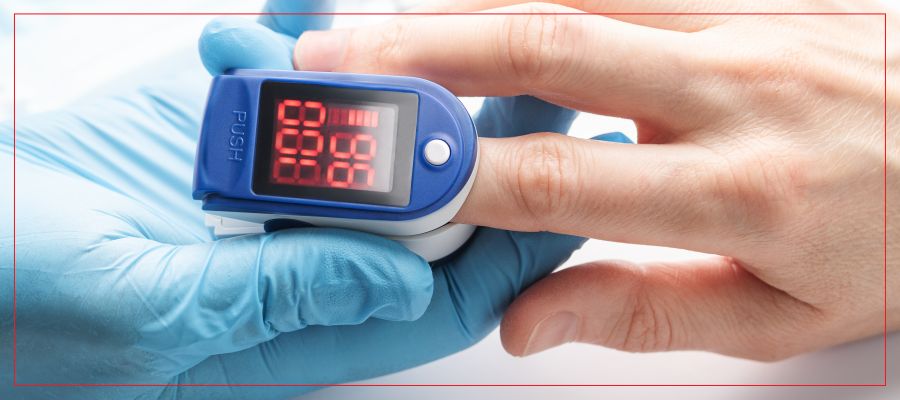
Table of Contents:
What does an oximeter reading indicate about my oxygen levels?
When should I be concerned about low oximeter readings?
How often should I check my oximeter readings?
Can an oximeter detect respiratory issues early?
Understanding Oximeter Readings with Dr. Timothy Mullally, DO, and the team at Mullally Sports & Family Medicine
At Mullally Sports and Family Medicine, we use pulse oximeters to help monitor the health of our patients, whether you’re an athlete or managing a chronic medical condition. An oximeter reading provides an estimate of your blood’s oxygen saturation—specifically, it measures how much of the hemoglobin in your red blood cells is carrying oxygen. This is displayed as SpO2, typically as a percentage.
For most healthy individuals, a normal SpO2 reading ranges from 95% to 100%. Readings below this range may suggest that your blood isn’t carrying enough oxygen, a condition known as hypoxemia. This could be related to a variety of issues, including lung diseases, heart problems, or even acute breathing difficulties during physical activity.
If you are an athlete or live an active lifestyle, monitoring your oxygen levels can be important, especially when training at high altitudes or dealing with respiratory illnesses. For patients with chronic conditions like asthma, COPD, or heart disease, regular oximeter checks can help us better manage their care.
Consistently low readings—especially below 90%—should not be ignored and may require prompt medical attention. Keep in mind that factors such as cold fingers, nail polish, or poor circulation can sometimes affect the accuracy of your reading.
At Mullally Sports and Family Medicine, your respiratory health is a priority—whether you’re managing a chronic illness, recovering from an injury, or simply monitoring your well-being at home. You should be concerned about low oximeter readings in the following situations:
• Consistently Low Readings – If your oxygen saturation level is consistently below 90%, it may indicate a problem and require medical attention.
• Shortness of Breath – If you experience difficulty breathing along with low oximeter readings, it could be a sign of a respiratory issue.
• Chest Pain – If low oximeter readings are accompanied by chest pain, seek immediate medical help, as this may be a sign of a heart or lung issue.
• Confusion or Dizziness – If you feel disoriented, lightheaded, or confused along with low oxygen levels, it could indicate inadequate oxygenation to the brain.
• Persistent Symptoms – If low readings persist even after trying to correct positioning or warming up your extremities, it may be time to consult a doctor.
• Underlying Health Conditions – If you have chronic conditions like asthma, COPD, or heart disease, low oximeter readings may indicate a worsening of these conditions.
In any of these situations, it’s important to seek medical advice from a healthcare professional, such as Dr. Timothy Mullally, DO, at Mullally Sports & Family Medicine in Crown Point, IN. Our team is dedicated to providing comprehensive care and accurate assessments to address any concerns about your oxygen levels and overall health. We can help determine the underlying cause of low oximeter readings and provide tailored treatment options to ensure your well-being and restore optimal oxygen levels.
How often you should check your oximeter readings depends on your overall health and any underlying medical conditions. For individuals with chronic respiratory or heart conditions, such as asthma, COPD, or heart disease, it’s recommended to monitor your oxygen levels regularly, particularly if you experience symptoms like shortness of breath, fatigue, or dizziness. In these cases, checking your readings several times a day, especially during periods of distress or illness, can help track changes and prevent complications.
For healthy individuals, regular use of an oximeter is typically not necessary unless advised by a healthcare provider. However, it can be useful during exercise or when feeling unwell to ensure your oxygen levels remain in the normal range (usually 95-100%). If you notice any significant drops in oxygen saturation or feel symptoms like shortness of breath, it may be a sign to check your levels more frequently.
If you have concerns about when and how often to check your oximeter readings, or if you’re unsure about interpreting your results, Dr. Timothy Mullally, DO, and the team at Mullally Sports & Family Medicine in Crown Point, IN, are here to help. We can provide personalized recommendations and guidance on monitoring your oxygen levels, ensuring your health is properly managed.
At Mullally Sports and Family Medicine, we use a variety of advanced tools to monitor and protect your respiratory health, including the pulse oximeter. This non-invasive device measures the oxygen saturation level (SpO2) in your blood along with your pulse rate, typically by clipping it onto your finger. It works by using light to estimate how much oxygen is being carried by your red blood cells. The pulse oximeter is particularly valuable for patients at risk for respiratory conditions like asthma, chronic obstructive pulmonary disease (COPD), pneumonia, or complications from respiratory infections such as COVID-19.
Oximeters can help detect early signs of respiratory issues, especially in individuals who may not immediately notice symptoms like shortness of breath. For example, athletes or those with “silent hypoxia” may not feel any discomfort despite low oxygen levels in their blood. In these cases, using an oximeter can provide an important early warning, prompting a timely medical assessment before symptoms worsen.
However, it’s essential to understand that a pulse oximeter is not a comprehensive diagnostic tool. Many mild or early-stage respiratory conditions may not cause a noticeable drop in oxygen levels, and an oximeter doesn’t measure other critical factors such as air movement or carbon dioxide removal. That’s why at Mullally Sports and Family Medicine, we use the oximeter in conjunction with thorough physical exams, patient history, and, when necessary, additional diagnostic tests to ensure a complete evaluation of your respiratory health. If you’re experiencing symptoms like persistent cough, chest pain, or shortness of breath, don’t rely solely on an oximeter—our team will provide expert guidance and care.
With over 21 years of experience, Dr. Timothy Mullally, DO, and the team at Mullally Sports & Family Medicine understand the importance of accurately interpreting oximeter readings to monitor respiratory health. A pulse oximeter measures your oxygen saturation (SpO2) and pulse rate, which can be crucial for detecting low oxygen levels indicative of respiratory issues like asthma, COPD, or pneumonia. Dr. Mullally and his experienced team incorporate this tool as part of a comprehensive approach to assess and manage your health effectively.
While oximeters are valuable for tracking oxygen levels, they do not measure other essential aspects of lung function, such as airflow or carbon dioxide levels. With over two decades of expertise, Dr. Mullally ensures that each patient receives a thorough examination, combining oximeter readings with other diagnostic tools when necessary. Whether you’re managing a chronic condition or experiencing symptoms like shortness of breath, our team is dedicated to providing personalized care to help you breathe easier and maintain your respiratory health.
For more information, please contact us or schedule an appointment online. We are conveniently located at 11275 Delaware Pkwy Suite A, Crown Point, IN 46307. We serve patients from Crown Point IN, Winfield IN, Schererville IN, St. John IN, Cedar Lake IN, Munster IN, Lowell IN, DeMotte IN, as well as other Northwest Indiana locations.

Check Out Our 5 Star Reviews


Additional Services You May Like

Additional Services You May Like
- Acute and Chronic Illness
- Annual Wellness Exams
- Concussion Management
- Lab Testing
- Medical Weight Loss Management
- Primary Care
- Platelet Concentrate Procedures
- Same Day Sick Visits
- Shockwave Lab
- Botox for Migraine
- Cosmetic Skin Treatment
- Cyst Removal
- EKG
- Fracture
- Immunizations
- Laceration Repairs
- Moles
- Mullally Medspa Services
- Nebulizer Treatment
- Nutrition And Exercise Management
- Respiratory Care
- Skin Tag Removal
- Spirometry
- Strep and Flu
- Ultrasound Guided Injections
- Women’s Health
- X-Ray
- EPAT Therapy
- EMTT Therapy
- Pediatrics
- Semaglutide
- Tirzepatide
- PRP


 Send Text
 How May I Help You?