


Plantar Fasciitis Treatment in Crown Point, IN
Plantar fasciitis develops when the thick band of tissue supporting the foot’s arch becomes irritated, often causing sharp heel pain with the first steps after rest or prolonged activity. Our team at Mullally Sports & Family Medicine evaluates foot mechanics, walking patterns, flexibility, symptom duration, and imaging findings to identify the underlying source of discomfort. Care may include stretching, physical therapy, footwear changes, orthotics, medications, injections, Shockwave Therapy, orthobiologic procedures, or surgical referral when appropriate. Each treatment plan is tailored to the patient’s activity level, occupation, medical history, lifestyle, and recovery goals. For more information, contact us or book an appointment. We are conveniently located at 11275 Delaware Pkwy Suite A, Crown Point, IN 46307.
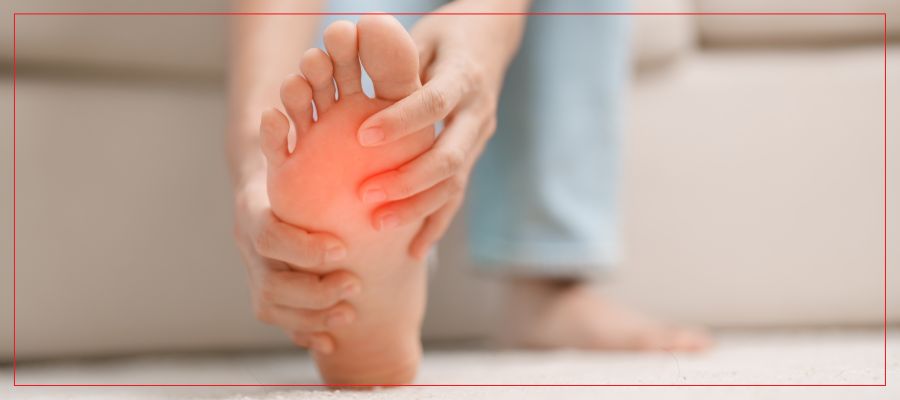

Table of Contents:
Comprehensive, Physician-Led Care for Heel Pain
What Is Plantar Fasciitis?
What Are the Symptoms of Plantar Fasciitis?
How Is Plantar Fasciitis Diagnosed?
What Are My Treatment Options?
When Might Shockwave Therapy Be Considered?
How Do We Determine the Right Treatment for You?
What Does Current Research Say About Plantar Fasciitis Treatment?
Why Choose Mullally Sports & Family Medicine?
Plantar fasciitis is one of the most common causes of heel pain, affecting individuals of all activity levels—from runners and athletes to people who spend long hours on their feet at work. The condition develops when the plantar fascia, a thick band of connective tissue that supports the arch of the foot, becomes irritated and painful.
At Mullally Sports & Family Medicine, we believe successful treatment begins with an accurate diagnosis and a personalized treatment plan. Every patient receives a comprehensive evaluation to determine the underlying cause of their heel pain and discuss the treatment options that best fit their condition, lifestyle, and goals.
Whether your goal is to return to sports, stay active at work, or simply walk comfortably again, our physicians will help you understand your condition and develop an individualized plan for recovery.
The plantar fascia is a strong band of tissue that runs along the bottom of the foot, connecting the heel bone to the toes and helping support the arch of the foot.
Plantar fasciitis occurs when this tissue becomes irritated, often as the result of repetitive stress, increased activity, prolonged standing, tight calf muscles, foot mechanics, excess body weight, or other contributing factors.
Although the condition is commonly associated with inflammation, many chronic cases involve changes within the tissue that may require a comprehensive approach to treatment rather than simply reducing inflammation.
Common symptoms include:
• Sharp pain on the bottom of the heel
• Pain with the first steps in the morning
• Heel pain after prolonged sitting or rest
• Pain that improves after walking but returns with prolonged activity
• Tenderness along the bottom of the foot
• Pain after exercise rather than during activity
• Difficulty standing or walking for extended periods
Because several foot conditions can cause similar symptoms, a proper evaluation is important before beginning treatment.
Your evaluation begins with a detailed medical history and physical examination.
Your physician may evaluate:
• Location of your pain
• Foot and ankle mechanics
• Walking pattern (gait)
• Flexibility of the calf muscles and Achilles tendon
• Strength and balance
• Range of motion
• Previous injuries or treatments
Imaging studies such as X-rays or ultrasound may be recommended when appropriate to rule out other causes of heel pain or confirm the diagnosis.
Most patients improve with non-surgical treatment, although recovery time varies depending on the severity and duration of symptoms.
Your individualized treatment plan may include:
• Activity modification
• Stretching and flexibility exercises
• Physical therapy
• Footwear recommendations
• Orthotics or arch supports
• Night splints
• Anti-inflammatory medications when appropriate
• Corticosteroid injections in selected patients
• Shockwave Therapy
• Orthobiologic procedures when appropriate
• Surgical referral for persistent cases that do not respond to conservative treatment
Our physicians will discuss the potential benefits, risks, and limitations of each option to help determine the most appropriate treatment for your condition.
Shockwave Therapy may be considered for selected patients with plantar fasciitis who continue to experience symptoms despite appropriate conservative treatment.
The decision to recommend Shockwave Therapy depends on several factors, including:
• Duration of symptoms
• Severity of pain
• Previous treatments
• Activity level
• Overall health
• Individual treatment goals
If appropriate, your physician will explain how the procedure is performed, what to expect during treatment, and how it may fit into your overall care plan.
No single treatment is appropriate for every patient with plantar fasciitis.
At Mullally Sports & Family Medicine, treatment recommendations begin with understanding the cause of your symptoms rather than focusing on a specific procedure.
Your physician will consider:
• Your diagnosis
• How long you’ve had symptoms
• Previous treatments
• Activity level
• Occupation
• Lifestyle
• Medical history
• Current available medical evidence
Together, we’ll develop a personalized treatment plan designed around your goals and recovery.
Research supports a variety of treatment options for plantar fasciitis, with most patients improving through a combination of conservative therapies such as stretching, strengthening exercises, activity modification, footwear changes, and physical therapy.
For patients with persistent symptoms, additional treatment options—including Shockwave Therapy or other physician-directed procedures—may be considered based on individual circumstances and the current available medical evidence.
Your physician will review the available treatment options and discuss which approach may be most appropriate for your specific condition.
Our physicians specialize in diagnosing and treating musculoskeletal conditions using a comprehensive, individualized approach.
Rather than focusing on a single treatment, we work with each patient to identify the underlying cause of their symptoms and develop a personalized plan that supports recovery, improves function, and helps them return to the activities they enjoy.
Whether your care includes stretching, physical therapy, footwear modifications, Shockwave Therapy, or another treatment option, our goal is to provide physician-led care that is tailored to your individual needs.
Schedule a Consultation
If heel pain is interfering with your daily activities, work, or exercise routine, we’re here to help.
Schedule a comprehensive evaluation to better understand your condition and discuss the treatment options that may be appropriate for you.
Standard Disclaimer
Treatment recommendations are individualized based on your diagnosis, medical history, goals, and the current available medical evidence. No treatment is appropriate for every patient or every condition. Your physician will discuss the potential benefits, risks, limitations, and alternative treatment options before recommending a course of care.
For more information, please contact us or schedule an appointment online. We are conveniently located at 11275 Delaware Pkwy Suite A, Crown Point, IN 46307. We serve patients from Crown Point IN, Winfield IN, Schererville IN, St. John IN, Cedar Lake IN, Munster IN, Lowell IN, DeMotte IN, as well as other Northwest Indiana locations.

Check Out Our 5 Star Reviews


Additional Services You May Like

Additional Services You May Like
- Acute and Chronic Illness
- Annual Wellness Exams
- Concussion Management
- Lab Testing
- Medical Weight Loss Management
- Primary Care
- Platelet Concentrate Procedures
- Same Day Sick Visits
- Shockwave Lab
- Botox for Migraine
- Cosmetic Skin Treatment
- Cyst Removal
- EKG
- Fracture
- Immunizations
- Laceration Repairs
- Moles
- Mullally Medspa Services
- Nebulizer Treatment
- Nutrition And Exercise Management
- Respiratory Care
- Skin Tag Removal
- Spirometry
- Strep and Flu
- Ultrasound Guided Injections
- Women’s Health
- X-Ray
- EPAT Therapy
- EMTT Therapy
- Pediatrics
- Semaglutide
- Tirzepatide
- PRP


 Send Text
 How May I Help You?