


How Can EMTT Support Mobility and Physical Function?
EMTT may be considered as one non-invasive option for selected musculoskeletal concerns. At Mullally Sports & Family Medicine, Dr. Timothy Mullally, DO, and our team begin with a comprehensive evaluation before recommending care. Treatment goals may include reducing discomfort, improving mobility, supporting physical function, and helping patients participate more comfortably in daily activities. Recommendations are individualized according to the patient’s diagnosis, medical history, previous care, activity level, and goals. For more information, contact us or schedule an appointment online. We are conveniently located at 11275 Delaware Pkwy Suite A, Crown Point, IN 46307.
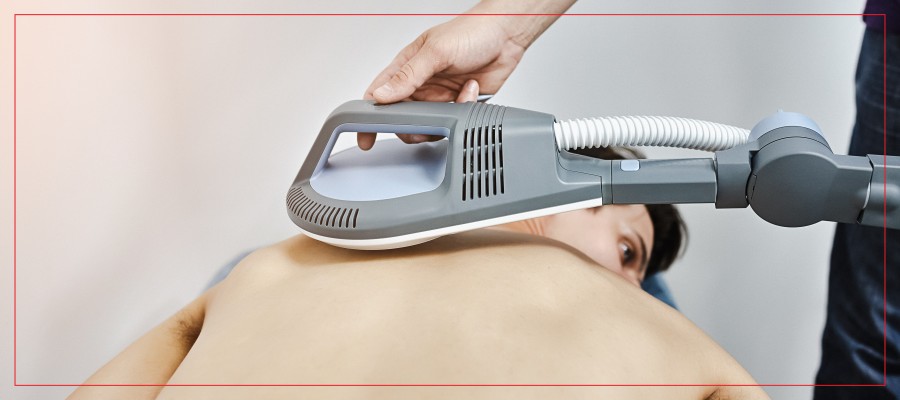
Table of Contents:
What goals may guide EMTT treatment?
How is the length of an EMTT session determined?
What can patients expect during an EMTT session?
How is progress evaluated after EMTT?
What does current research say about EMTT?
EMTT care with Dr. Timothy Mullally, DO
Extracorporeal Magnetotransduction Therapy, commonly called EMTT, uses pulsed electromagnetic fields directed toward a selected musculoskeletal area. It may be included within a broader treatment plan for carefully selected patients.
Individualized treatment goals may include:
• Reducing pain and discomfort
• Improving mobility and physical function
• Increasing tolerance for work or daily movement
• Supporting participation in physical therapy or exercise
• Helping patients gradually return to recreational activities
• Providing a non-invasive option when appropriate
• Complementing other physician-directed treatments
EMTT is not appropriate for every patient or condition. Treatment goals are established after reviewing the diagnosis, symptoms, examination findings, medical history, imaging when appropriate, and available alternatives.
The length of an EMTT session varies according to the treatment area, diagnosis, device settings, and individualized care plan. There is no exact session length or schedule that applies to every patient.
Before treatment, Dr. Timothy Mullally, DO, or our trained team reviews the selected area and explains what the patient may experience. The EMTT applicator is positioned near the treatment area, and physician-directed electromagnetic pulses are delivered according to the planned settings.
Patients should allow enough time for any necessary medical review, treatment-area preparation, the procedure, and post-treatment instructions. The recommended schedule may be adjusted based on the patient’s comfort, progress, and response to care.
An EMTT appointment begins with a review of symptoms, recent health changes, medications, and the treatment plan. Patients generally remain comfortably positioned while the applicator is placed over or near the selected musculoskeletal area.
During treatment, some patients may notice mild tapping, pulsing, warmth, or another temporary sensation. Experiences vary according to the treatment location, device settings, and individual sensitivity. Patients should communicate any discomfort to our team during the session.
Afterward, individualized instructions may be provided regarding activity, exercise, temporary reactions, and follow-up care. Recommendations differ according to the patient’s diagnosis and the other treatments included in the overall plan.
There is no fixed timeline for noticing changes after EMTT. Some patients may observe gradual changes in pain or function, while others may experience a limited response. Outcomes vary according to the diagnosis, symptom duration, overall health, activity demands, treatment plan, and individual factors.
Follow-up evaluations may review:
• Changes in pain or discomfort
• Mobility and range of motion
• Strength and activity tolerance
• Ability to work or complete daily tasks
• Participation in exercise or recreation
• Response to physical therapy or home exercise
• New, persistent, or changing symptoms
Based on these findings, Dr. Timothy Mullally, DO, may recommend continuing EMTT, adjusting the schedule, combining it with another option, or considering a different treatment plan. Additional sessions do not guarantee greater or longer-lasting improvement.
Research evaluating EMTT for musculoskeletal conditions continues to evolve. Findings may vary according to the condition being studied, treatment settings, patient-selection criteria, comparison treatment, and study design.
Current literature does not support applying one expected outcome to every patient or condition. Evidence may be more developed for certain uses and limited or still evolving for others. Multiple treatment options may also be available for the same diagnosis.
Dr. Timothy Mullally, DO, discusses how the current evidence relates to the patient’s symptoms, medical history, examination findings, previous care, functional needs, and goals. Potential risks, limitations, costs, areas of uncertainty, and alternative options are reviewed before treatment is recommended. No specific result or duration of improvement can be guaranteed.
At Mullally Sports & Family Medicine, Dr. Timothy Mullally, DO, and our team focus on identifying the source of the patient’s symptoms before recommending EMTT. Every care plan is developed according to the patient’s individual clinical findings rather than a standard treatment package.
EMTT may be considered alone or alongside physical therapy, home exercise, activity modification, medications, supportive devices, Shockwave Therapy, physician-directed injections, or other appropriate options. Shared decision-making helps patients understand how each recommendation fits into their overall care plan.
Schedule a consultation
If a musculoskeletal concern is affecting your mobility, work, exercise, or daily activities, schedule a comprehensive evaluation with Dr. Timothy Mullally, DO, and our team at Mullally Sports & Family Medicine.
We can help identify the source of your symptoms and discuss whether EMTT or another physician-directed option may be appropriate for your individual needs.
Standard disclaimer
Treatment recommendations are individualized according to the patient’s diagnosis, medical history, goals, and current available medical evidence. EMTT is not appropriate for every patient or condition. Your physician will discuss the treatment goals, potential risks, limitations, expected schedule, costs, and alternative options before recommending care. No specific outcome can be guaranteed. For more information, contact us or schedule an appointment online. We are conveniently located at 11275 Delaware Pkwy Suite A, Crown Point, IN 46307. We serve patients from Crown Point IN, Winfield IN, Schererville IN, St. John IN, Cedar Lake IN, Munster IN, Lowell IN, DeMotte IN, as well as other Northwest Indiana locations.

Check Out Our 5 Star Reviews


Additional Services You May Like

Additional Services You May Like
- Acute and Chronic Illness
- Annual Wellness Exams
- Concussion Management
- Lab Testing
- Medical Weight Loss Management
- Primary Care
- Platelet Concentrate Procedures
- Same Day Sick Visits
- Shockwave Lab
- Botox for Migraine
- Cosmetic Skin Treatment
- Cyst Removal
- EKG
- Fracture
- Immunizations
- Laceration Repairs
- Moles
- Mullally Medspa Services
- Nebulizer Treatment
- Nutrition And Exercise Management
- Respiratory Care
- Skin Tag Removal
- Spirometry
- Strep and Flu
- Ultrasound Guided Injections
- Women’s Health
- X-Ray
- EPAT Therapy
- EMTT Therapy
- Pediatrics
- Semaglutide
- Tirzepatide
- PRP


 Send Text
 How May I Help You?