


Elbow Pain Treatment in Crown Point, IN
Elbow pain can affect arm movement, strength, work activities, exercise, sports, and everyday tasks that involve lifting or gripping. At Mullally Sports & Family Medicine, our team provides personalized evaluations to understand the possible causes of elbow discomfort and functional limitations. We consider each patient’s symptoms, medical history, activity level, and goals when developing an individualized care approach. Our focus is helping patients better understand their condition and explore appropriate options to support mobility and function. For more information, contact us or schedule an appointment online. We are conveniently located at 11275 Delaware Pkwy Suite A, Crown Point, IN 46307.
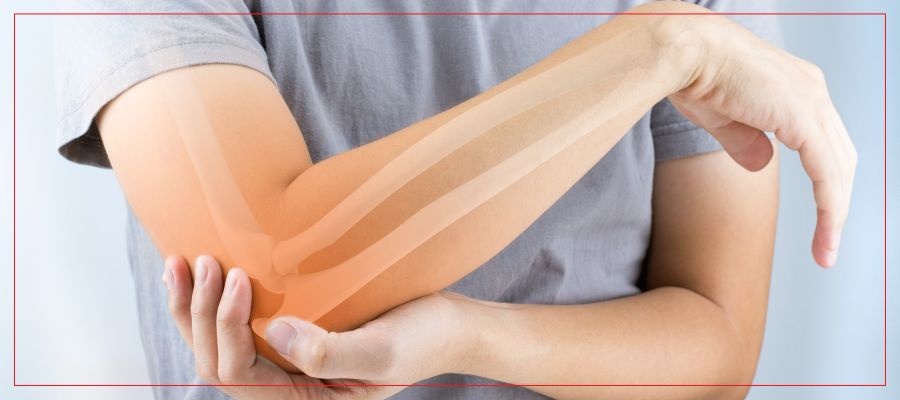

Table of Contents:
Comprehensive, Physician-Led Care for Elbow Pain
What Is Elbow Pain?
What Are the Symptoms?
What Conditions Can Cause Elbow Pain?
How Do Doctors Diagnose the Source of Elbow Pain?
What Are the Treatment Options?
When Might Advanced Non-Surgical Treatments Be Considered for Elbow Pain?
What Factors Influence Elbow Pain Treatment Recommendations?
What Does Current Research Say About Elbow Pain Treatment?
How Do We Determine the Right Treatment for You?
Why Choose Mullally Sports & Family Medicine?
Elbow pain is a common musculoskeletal concern that can affect the structures surrounding the elbow joint, including tendons, ligaments, muscles, bones, and nerves. Symptoms may develop gradually from repetitive activities or occur after increased physical demands, affecting movement and comfort.
Elbow pain can interfere with work, exercise, sports, lifting, gripping, and everyday activities that require arm movement. Persistent symptoms may limit strength, range of motion, and the ability to perform regular tasks comfortably.
At Mullally Sports & Family Medicine, our team focuses on identifying the underlying cause of elbow pain through a comprehensive evaluation. Accurate diagnosis is an important first step in creating an individualized care plan based on each patient’s symptoms, activity level, lifestyle, and personal goals.
Elbow pain refers to discomfort involving the structures that make up and support the elbow joint. The elbow connects the upper arm bone (humerus) with the forearm bones (radius and ulna) and allows important movements such as bending, straightening, rotation, and gripping.
Pain may develop when the tissues around the elbow become irritated, overloaded, or affected by changes involving the joint, tendons, muscles, ligaments, or nerves. Common contributors may include repetitive motions, physical activity demands, overuse, changes in movement patterns, or age-related changes.
Because the elbow is involved in many daily movements, symptoms may affect both athletic activities and routine tasks. Understanding the specific cause of elbow pain is important for determining appropriate care recommendations.
Elbow pain symptoms can vary depending on the structure involved and the underlying condition. Some individuals may experience occasional discomfort, while others may notice symptoms that interfere with daily function.
Common symptoms may include:
• Pain around the inside, outside, front, or back of the elbow
• Tenderness around the joint or surrounding tissues
• Stiffness or reduced range of motion
• Weakness when gripping, lifting, or carrying objects
• Swelling or discomfort with movement
• Pain that increases during sports, work activities, or repetitive motions
• Changes in arm function or difficulty completing daily tasks
Because many musculoskeletal conditions can produce similar symptoms, a proper medical evaluation is important before beginning treatment.
Elbow pain can develop from several different conditions involving the joint, tendons, muscles, ligaments, or nerves. Identifying the source of symptoms helps guide appropriate treatment recommendations.
Conditions that may contribute to elbow pain include:
• Tendon-related conditions affecting the tissues that connect muscles to the elbow
• Overuse-related irritation from repetitive arm movements
• Ligament-related concerns affecting elbow stability
• Joint-related conditions involving the elbow structure
• Nerve-related irritation that may cause pain, tingling, or weakness
• Activity-related strain from sports, work, or physical demands
A physician evaluation helps determine which condition may be contributing to symptoms and whether additional assessment is needed.
Diagnosing elbow pain begins with understanding the patient’s symptoms, medical history, and how the condition affects daily activities. Since several conditions can cause similar discomfort, a detailed evaluation helps identify possible causes.
The evaluation may include:
• Review of symptom location, duration, and progression
• Discussion of work, sports, and activity-related demands
• Physical examination of elbow movement, strength, and function
• Assessment of tenderness, stability, and surrounding structures
• Functional evaluation to understand limitations
• Imaging when appropriate, including X-ray, ultrasound, or MRI
A physician may also consider other conditions that can create similar symptoms to ensure an accurate assessment. An accurate diagnosis helps ensure the most appropriate treatment recommendations for your individual condition.
Treatment options for elbow pain depend on the underlying cause, symptom severity, activity level, and individual goals. A personalized approach may include different options based on each patient’s condition.
Possible treatment options may include:
• Activity modification
• Home exercise program
• Physical therapy when appropriate
• Weight management when appropriate
• Bracing or supportive devices when appropriate
• Oral medications or topical medications when appropriate
• Corticosteroid injections when appropriate
• Hyaluronic acid injections when appropriate
• Shockwave Therapy when appropriate
• EMTT when appropriate
• MLS Laser Therapy when appropriate
• Orthobiologic procedures when appropriate
• Referral for surgical evaluation when appropriate
Your physician will recommend a personalized treatment plan based on your diagnosis, symptoms, lifestyle, activity level, and treatment goals.
Advanced non-surgical treatments may be considered for selected patients after a comprehensive evaluation. These options are not appropriate for everyone and depend on the specific condition, symptoms, medical history, and individual goals.
Depending on the patient’s condition, advanced options may include:
• Shockwave Therapy
• EMTT
• MLS Laser Therapy
• Platelet Concentrate Procedures
• Bone Marrow Concentrate Procedures
• Adipose-Derived Orthobiologic Procedures when appropriate
These options may be considered as part of a comprehensive treatment plan. A physician will review available medical evidence, potential benefits, risks, limitations, and alternative options before recommending an advanced treatment approach.
Treatment recommendations for elbow pain are based on multiple factors rather than symptoms alone. Each patient’s condition, lifestyle, and goals are considered when developing a care plan.
Factors that may influence recommendations include:
• The cause and severity of symptoms
• Duration of elbow pain
• Impact on work, exercise, and daily activities
• Range of motion and strength limitations
• Previous treatments and response to care
• Medical history and overall health
• Activity demands and personal goals
A personalized approach allows treatment recommendations to better match the patient’s needs and expectations.
Current research continues to evaluate different approaches for managing elbow pain. Evidence may vary depending on the underlying condition, patient characteristics, treatment methods, and study design.
Research supports individualized treatment planning that considers the diagnosis, symptoms, functional limitations, and patient goals. Multiple treatment options may exist, and recommendations should be based on clinical findings and shared decision-making.
Current literature does not support applying one expected outcome to every patient or elbow pain condition. Your physician will discuss available evidence, treatment considerations, and alternative options when developing your care plan.
At Mullally Sports & Family Medicine, our team determines the appropriate elbow pain treatment approach through a comprehensive evaluation process. We consider each patient’s symptoms, medical history, physical findings, lifestyle, and personal goals.
The evaluation process may include:
• Review of medical history and symptoms
• Physical examination and functional assessment
• Imaging findings when appropriate
• Activity level and lifestyle considerations
• Previous treatment response
• Current available medical evidence
• Shared decision-making regarding care options
Together, we’ll develop an individualized treatment plan designed around your unique needs and goals.
At Mullally Sports & Family Medicine, our team provides physician-led evaluation and personalized care for patients experiencing elbow pain. We focus on identifying the source of symptoms and developing recommendations based on each patient’s individual condition.
Our approach includes comprehensive diagnosis, personalized treatment planning, conservative care when appropriate, and consideration of advanced non-surgical options when clinically suitable. We evaluate each patient’s medical history, activity level, and goals when making recommendations.
Through long-term patient relationships and thoughtful decision-making, we help patients better understand their elbow pain and explore appropriate care options.
Schedule a Consultation
If you’re experiencing symptoms of elbow pain, our physicians can help you better understand your diagnosis and discuss the treatment options that may be appropriate for your individual needs.
Schedule a comprehensive evaluation to receive a personalized treatment plan designed around your goals and lifestyle.
Standard Disclaimer
Treatment recommendations are individualized based on your diagnosis, medical history, goals, and the current available medical evidence. No treatment is appropriate for every patient or every condition. Your physician will discuss the potential benefits, risks, limitations, and alternative treatment options before recommending a course of care. For more information, contact us or schedule an appointment online. We are conveniently located at 11275 Delaware Pkwy Suite A, Crown Point, IN 46307. We serve patients from Crown Point IN, Winfield IN, Schererville IN, St. John IN, Cedar Lake IN, Munster IN, Lowell IN, DeMotte IN, as well as other Northwest Indiana locations.

Check Out Our 5 Star Reviews


Additional Services You May Like

Additional Services You May Like
- Acute and Chronic Illness
- Annual Wellness Exams
- Concussion Management
- Lab Testing
- Medical Weight Loss Management
- Primary Care
- Platelet Concentrate Procedures
- Same Day Sick Visits
- Shockwave Lab
- Botox for Migraine
- Cosmetic Skin Treatment
- Cyst Removal
- EKG
- Fracture
- Immunizations
- Laceration Repairs
- Moles
- Mullally Medspa Services
- Nebulizer Treatment
- Nutrition And Exercise Management
- Respiratory Care
- Skin Tag Removal
- Spirometry
- Strep and Flu
- Ultrasound Guided Injections
- Women’s Health
- X-Ray
- EPAT Therapy
- EMTT Therapy
- Pediatrics
- Semaglutide
- Tirzepatide
- PRP


 Send Text
 How May I Help You?