


What Is a Normal Oximeter Reading, and What Does It Tell You About Your Health?
A normal oximeter reading typically falls between 95% and 100%, indicating healthy oxygen levels in your blood. An oximeter is a non-invasive tool that measures the percentage of oxygen in your blood, providing valuable information about your respiratory health. Dr. Timothy Mullally, DO, at Mullally Sports & Family Medicine in Crown Point, IN, is dedicated to helping you understand and manage your oxygen levels, ensuring optimal respiratory health. For more information, please contact us or schedule an appointment online. We are conveniently located at 11275 Delaware Pkwy Suite A, Crown Point, IN 46307.
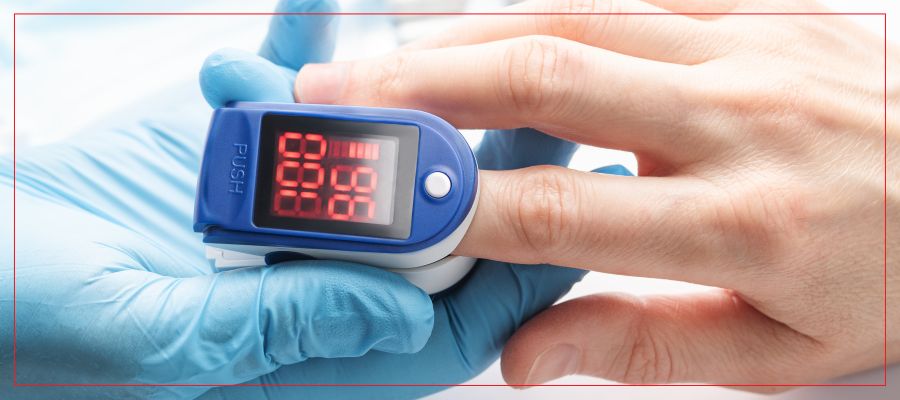
Table of Contents:
What is the normal oxygen saturation level for a healthy person?
Can oxygen levels fluctuate throughout the day?
What factors can affect my oximeter reading?
Should I worry if my oximeter reading is slightly below normal?
How to Interpret Your Oximeter Reading with Dr. Timothy Mullally, DO, at Mullally Sports & Family Medicine in Crown Point, IN
Oxygen saturation is a key measurement that tells us how much oxygen your blood is carrying. The normal oxygen saturation level for a healthy person typically falls between 95% and 100%. This range indicates that the oxygen in your blood is adequately supporting your body’s organs and tissues, ensuring proper function. Oxygen saturation is measured using a small device called a pulse oximeter, which provides a non-invasive way to check how much oxygen is in your blood.
Low Oxygen Saturation and Potential Health Risks
If your oxygen saturation level falls below 90%, it is considered low and may signal an underlying health issue, such as a respiratory or cardiovascular condition. Low oxygen levels can lead to symptoms like shortness of breath, confusion, or fatigue, and prolonged low oxygen levels can cause serious health problems. Conditions like asthma, COPD, or heart disease can affect how well your lungs absorb oxygen, leading to lower saturation levels.
When to Seek Medical Attention
If your oxygen levels consistently fall below the normal range or you experience symptoms like difficulty breathing, dizziness, or chest pain, it’s essential to seek medical attention. Monitoring your oxygen saturation is particularly important for individuals with pre-existing respiratory conditions. Early intervention can help identify the cause of low oxygen levels and prevent further complications.
At Mullally Sports & Family Medicine, we understand the importance of maintaining healthy oxygen levels for overall well-being. Dr. Timothy Mullally, DO, and our dedicated team offer expert care to monitor and manage your respiratory health. If you’re concerned about your oxygen saturation levels or experiencing symptoms related to low oxygen, we are here to help. Our comprehensive approach ensures that you receive the necessary support to maintain optimal health and address any underlying issues.
At Mullally Sports and Family Medicine, we frequently receive questions about blood oxygen levels and what constitutes normal variation throughout the day. Oxygen levels can fluctuate throughout the day due to various factors, and this is common in most individuals. Activities like exercise, physical exertion, or changes in body position can cause temporary drops in oxygen levels. Additionally, environmental factors such as high altitudes, temperature, or air quality can also affect how your body absorbs oxygen. For instance, oxygen levels may naturally decrease during sleep and return to normal upon waking.
However, persistent or significant drops in oxygen levels may indicate an underlying health issue, such as a respiratory or cardiovascular condition. If oxygen levels regularly fall below normal or if you experience symptoms like shortness of breath or fatigue, it’s important to seek medical advice. Monitoring your oxygen levels can help detect potential problems, and a healthcare provider can offer guidance on whether further evaluation or treatment is needed to maintain healthy oxygen saturation levels.
At Mullally Sports and Family Medicine, we encourage our patients—whether athletes, active families, or those managing chronic conditions—to be aware of their normal oxygen ranges and to let us know about any significant changes. Regular monitoring, especially if you have a medical condition or are starting a new exercise program, can help us keep you healthy and active.
At Mullally Sports and Family Medicine, we often use pulse oximeters to quickly and non-invasively assess your blood oxygen levels—a valuable tool in both sports medicine and general family care. However, several factors can affect the accuracy of your oximeter reading, and it’s important to be aware of these to ensure you get the best results.
Common Factors That Affect Oximeter Accuracy:
• Poor Circulation: If your hands are very cold or if you have reduced blood flow to your fingers—sometimes seen in athletes after intense exercise or individuals with certain medical conditions—the device may have difficulty detecting your pulse. This can lead to inaccurate readings.
• Movement: Whether you’re a young athlete or a busy parent, movement during measurement can interfere with the sensor’s ability to measure your oxygen saturation correctly. Try to stay as still as possible while the device is in use.
• Nail Polish and Artificial Nails: Dark nail polish or artificial nails can block the light sensor, resulting in falsely low readings. For the most accurate results, we recommend removing these before using an oximeter.
• Skin Pigmentation and Thickness: While most modern devices are designed to work across different skin tones, very thick skin or calluses—common in athletes—may slightly affect readings.
• Dirty or Wet Hands: Dirt, sweat, or other substances on your hands can interfere with the sensor. Please ensure your hands are clean and dry before measurement.
• Medical Conditions: Some health issues, such as severe anemia, carbon monoxide exposure, or rare hemoglobin disorders, can cause oximeter readings that don’t accurately reflect your true oxygen levels. If you have any of these conditions, let our healthcare team know.
• Bright Ambient Light: Very bright light, such as direct sunlight during outdoor activities, can sometimes affect the sensor’s performance. Try to use the device indoors or away from direct light sources.
• Improper Placement: Placing the device incorrectly or using it on an injured or swollen finger can result in unreliable measurements.
At Mullally Sports and Family Medicine, we know that monitoring your health at home, especially your blood oxygen levels, is an important part of staying well—whether you’re managing a chronic condition, recovering from illness, or keeping an eye on your fitness.
If you notice that your oximeter reading is slightly below the normal range, it’s understandable to feel concerned. For most people, a normal blood oxygen saturation level (SpO2) is between 95% and 100%. Readings just below this—such as 93% or 94%—can sometimes be caused by minor factors like cold fingers, nail polish, slight movement during the reading, or even the device’s accuracy.
A single, slightly low reading does not necessarily mean there is a problem, especially if you are not experiencing symptoms such as shortness of breath, chest pain, confusion, or any bluish coloring of your lips or face.
If you feel well, try taking the reading again after warming your hands, sitting still, and ensuring the oximeter is properly placed. If you have underlying heart or lung conditions, your healthcare provider at Mullally Sports and Family Medicine may have given you individualized guidelines for what is a safe oxygen level for you. Always follow the personalized advice you have received from our team. Persistently low oxygen levels can indicate a health issue that may require timely medical attention.
An oximeter reading measures the level of oxygen in your blood, providing valuable information about your respiratory health. Dr. Timothy Mullally, DO, at Mullally Sports & Family Medicine in Crown Point, IN, emphasizes that a normal reading typically falls between 95% and 100%, indicating that your blood oxygen levels are healthy. A reading below 90% suggests low oxygen levels, which may indicate a respiratory issue or the need for immediate medical attention. Dr. Mullally helps patients understand the significance of their oximeter readings and guides what steps to take if the reading falls outside of the normal range.
At Mullally Sports & Family Medicine, Dr. Mullally uses oximeter readings as part of a comprehensive approach to evaluating respiratory health. He will assess your oximeter results along with other symptoms to determine if further tests or interventions are necessary. Whether you’re managing a chronic condition like asthma or COPD, or recovering from an illness, Dr. Mullally ensures that you have a clear understanding of how your oxygen levels affect your overall health, empowering you to make informed decisions about your care. We also offer lab testing, TB testing, and X-ray services to support your comprehensive healthcare needs. Contact us or schedule an appointment for expert guidance.
For more information, please contact us or schedule an appointment online. We are conveniently located at 11275 Delaware Pkwy Suite A, Crown Point, IN 46307. We serve patients from Crown Point IN, Winfield IN, Schererville IN, St. John IN, Cedar Lake IN, Munster IN, Lowell IN, DeMotte IN, as well as other Northwest Indiana locations.

Check Out Our 5 Star Reviews


Additional Services You May Like

Additional Services You May Like
- Acute and Chronic Illness
- Annual Wellness Exams
- Concussion Management
- Lab Testing
- Medical Weight Loss Management
- Primary Care
- Platelet Concentrate Procedures
- Same Day Sick Visits
- Shockwave Lab
- Actinic Keratosis
- Allergy Care
- Botox for Migraine
- Cosmetic Skin Treatment
- Cyst Removal
- Ear Wax Removal
- EKG
- Flu Shots
- Fracture
- Immunizations
- Laceration Repairs
- Moles
- Molluscum Contagiosum
- Mullally Medspa Services
- Nebulizer Treatment
- Nutrition And Exercise Management
- Pregnancy Testing
- Pulse Oximetry
- Respiratory Care
- Skin Tag Removal
- Spirometry
- Strep and Flu
- Surgical Clearance
- TB Testing
- Ultrasound Guided Injections
- Warts
- Women’s Health
- X-Ray
- EPAT Therapy
- EMTT Therapy
- Pediatrics
- Semaglutide
- Tirzepatide


 Send Text
 How May I Help You?